
Dream big. Start small.
 Do the dishes 5 timesFinish 5 Dishwasher shifts0/5
 Walk the dog 5 timesFinish 5 Dog walker rounds0/5
Shifts and rounds you finish from now on count.

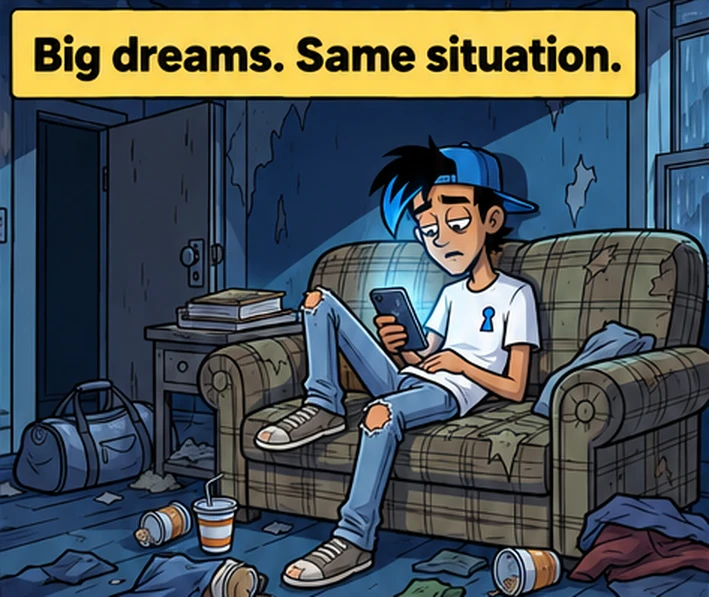
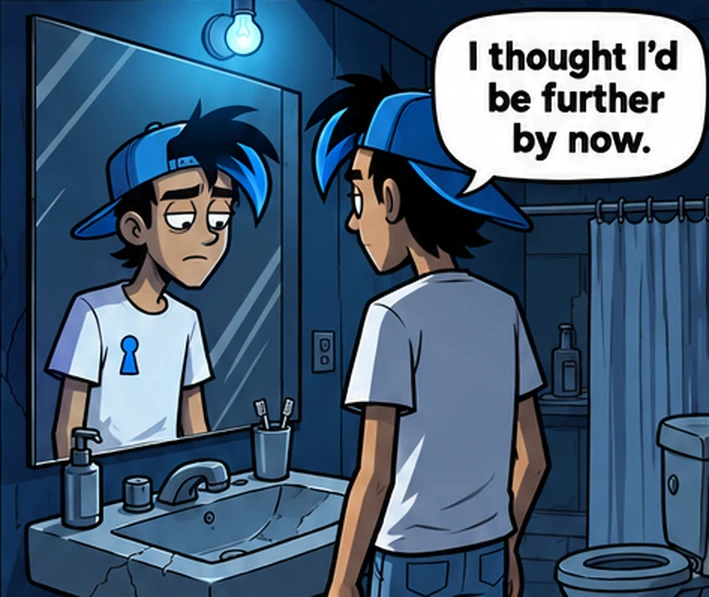




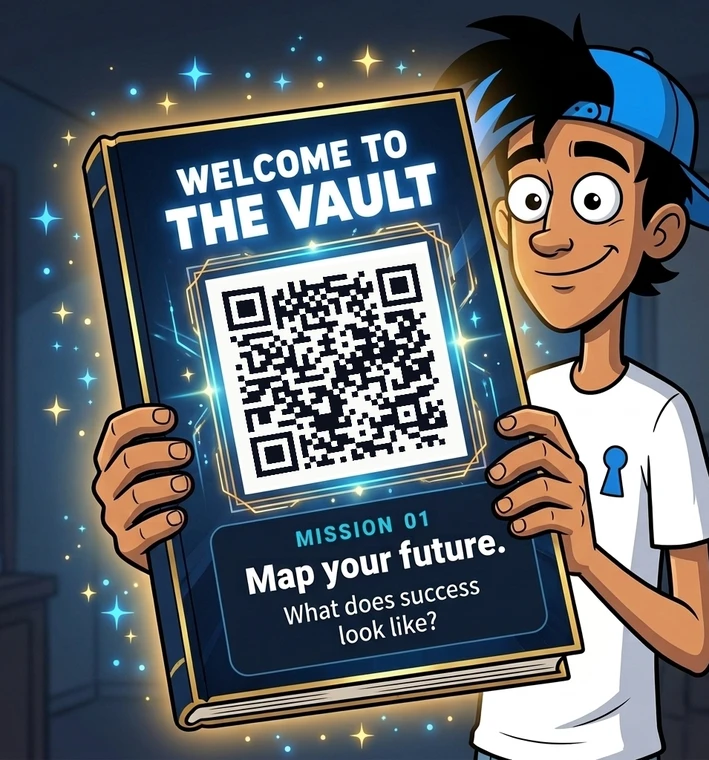
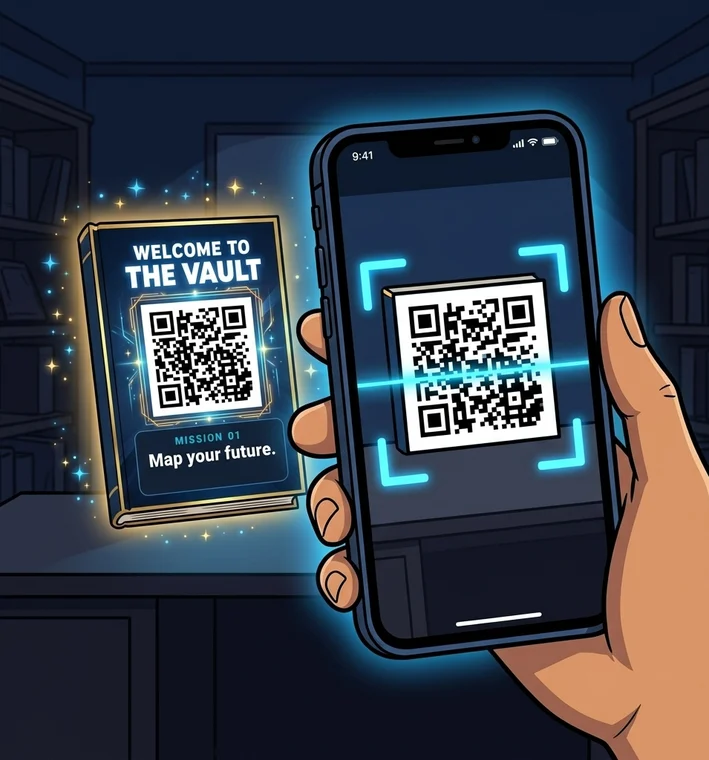

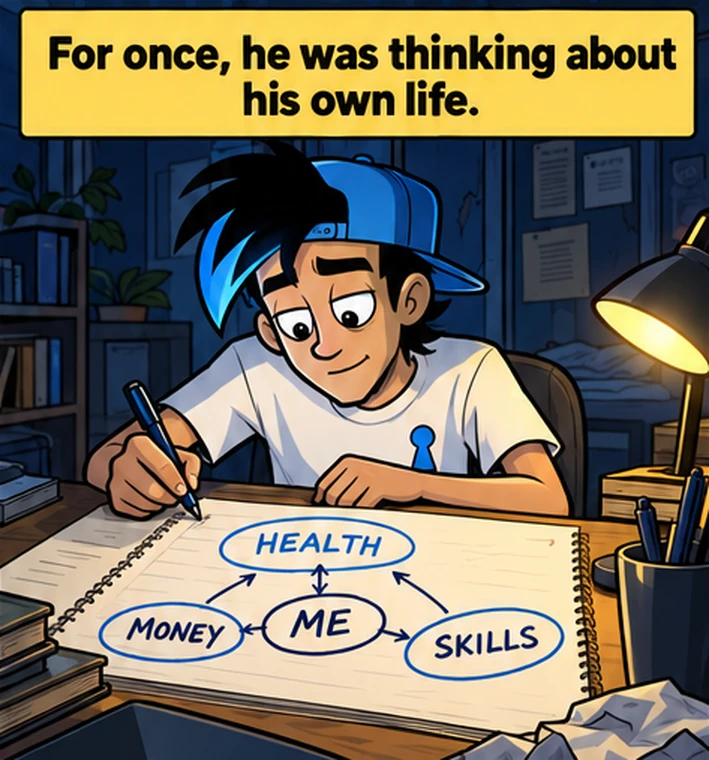
 Vault AINice map. Every big life starts with knowing what you want. Mission 2 shows you the key that gets you there.
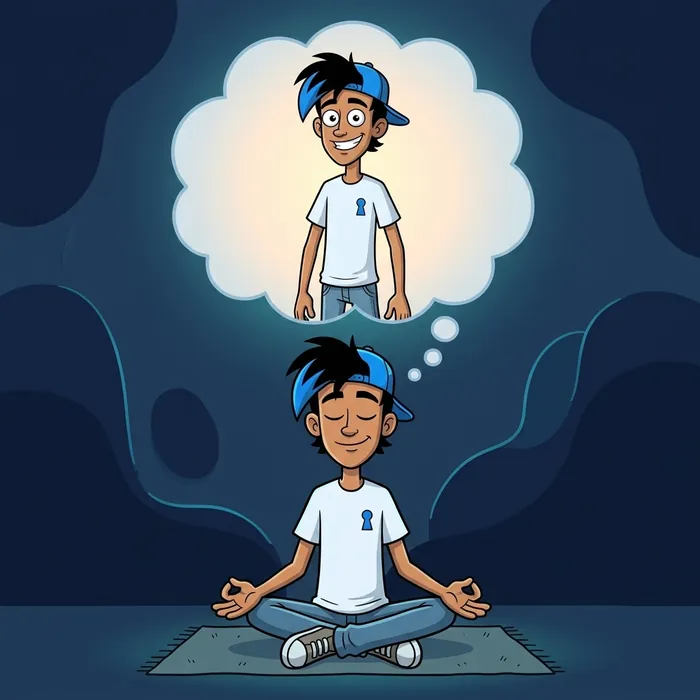
 Vault AIJake. Before you make any money, I want to show you something. Close your eyes.
 Vault AIPicture your life one year from now. What do you see?

 Vault AINo. More. Dream bigger, Jake. Way bigger.
 Vault AIThat can be you. The universe answers what you truly believe you deserve.
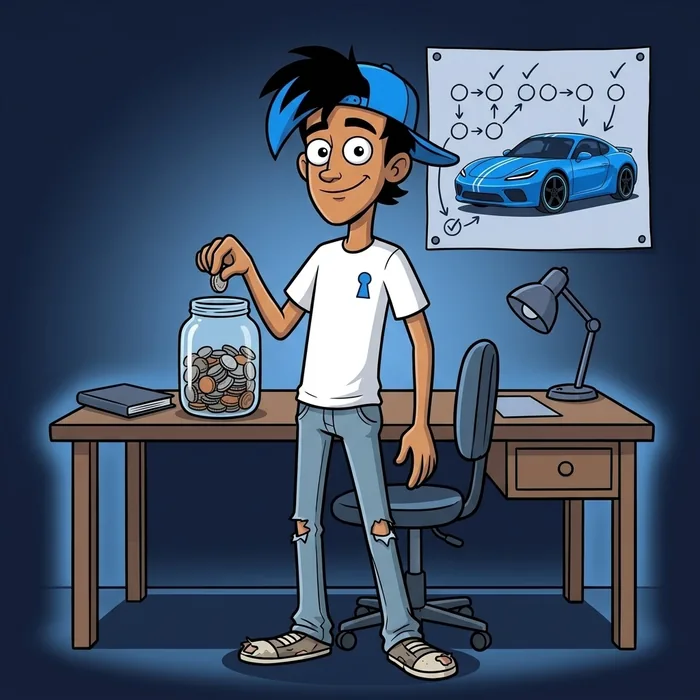
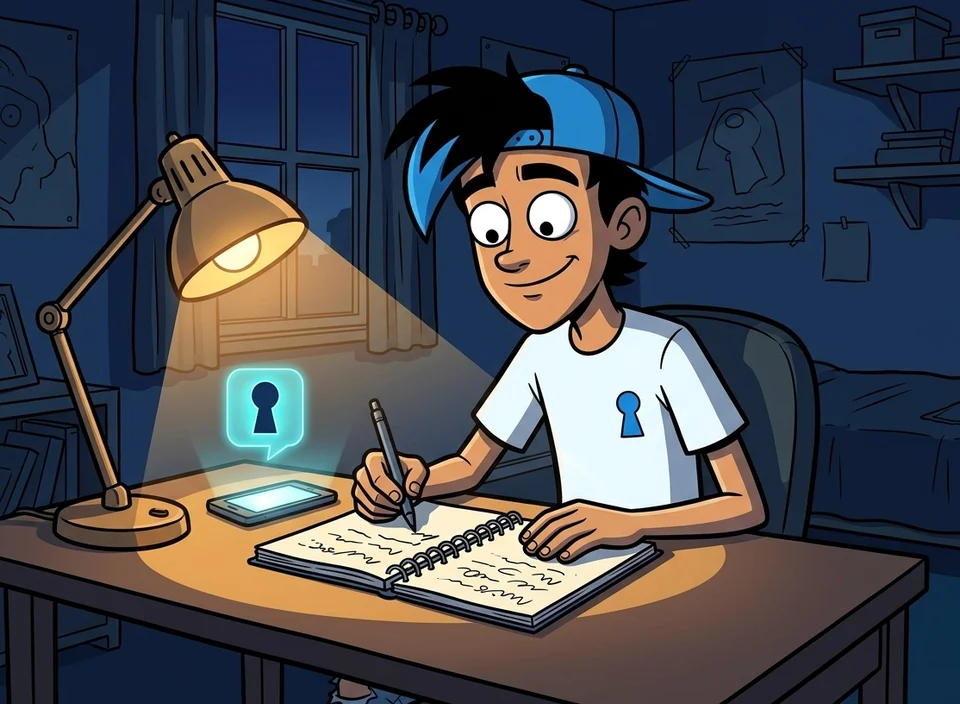 Vault AIWrite it down like it already happened. “I drive my blue car. I’m proud of who I am.”
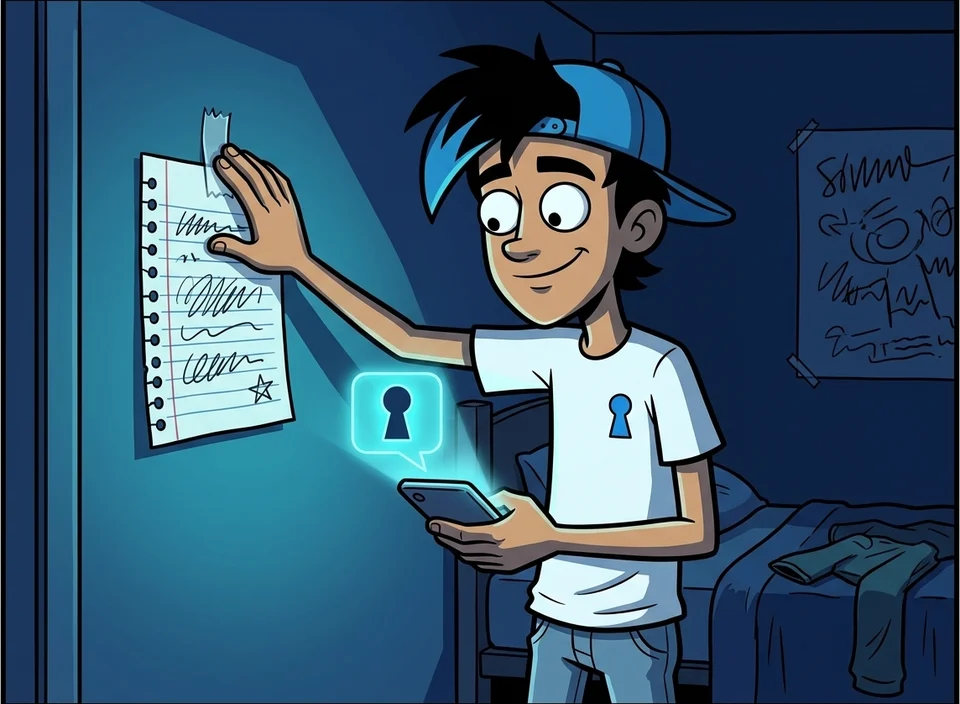 Vault AIOne more thing. Pick the car you’re going to drive. Put it where you see it every day.
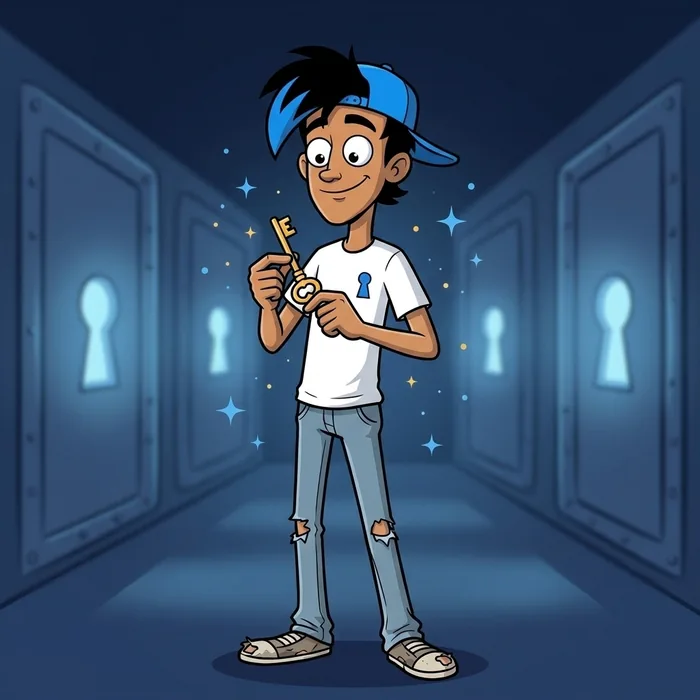
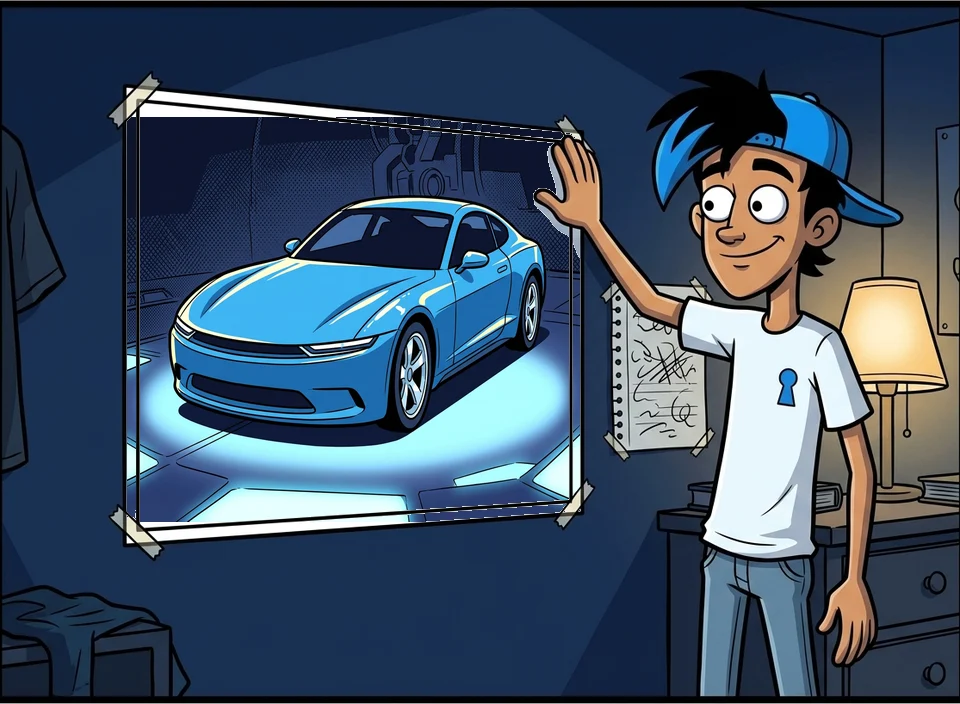 Vault AIThat’s the Attraction Key. Come back tomorrow and I’ll show you how to make it real.
 Vault AIConsistency is key, Jake.
 Vault AIYou said that yesterday. And then you slept till 2.

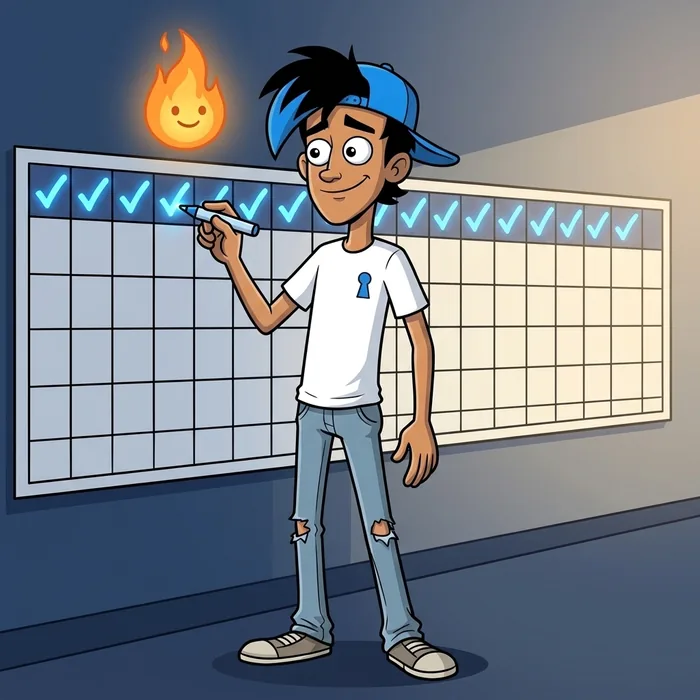
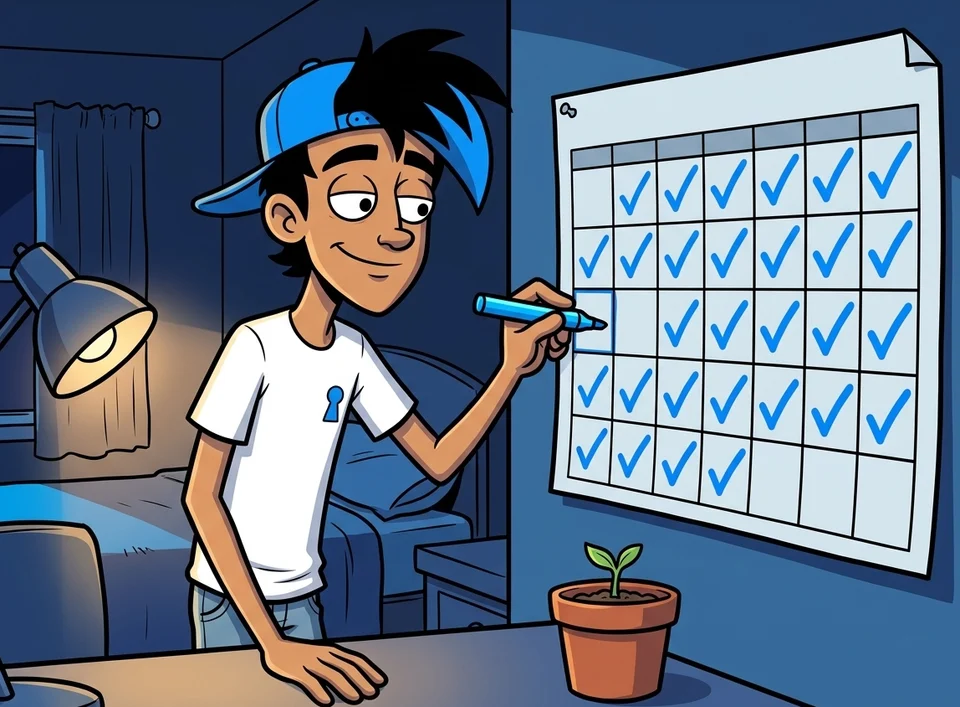 Vault AIIt’s simple. Show up every day and tap Collect. Your streak grows by 1 and you get a daily bonus. Every. Single. Day.Vault AINot the day after tomorrow. Not “when I feel like it.” Every day.
 Vault AILook at you. Up before noon. I’m proud of you.Vault AIAnd each mission pays more than the last one. Finish them to reach the next level.
Come back daily. Miss a day and your streak drops 3 days.
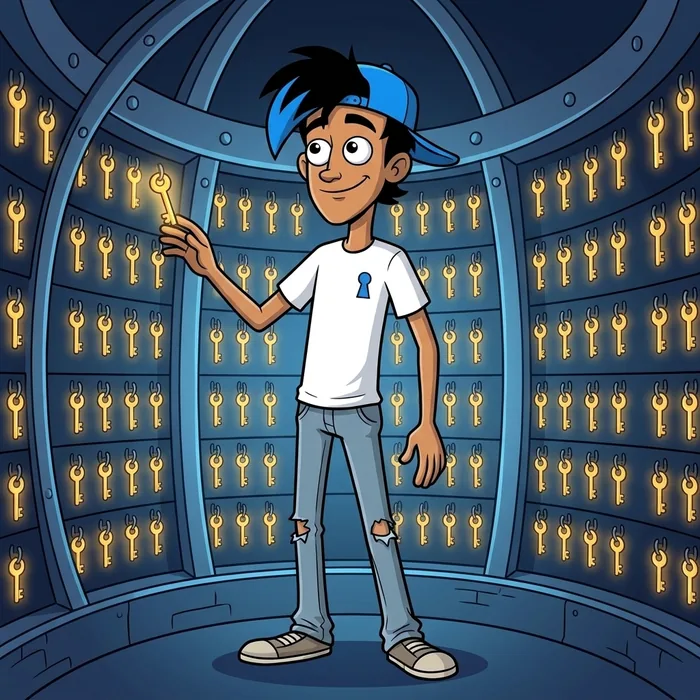
Eight areas of life. Pick one, open a key, come back when you need it.
Physical
Strength, energy and style. New keys dropping soon.
Keep your streak alive. You’ll be first in when it opens.
Mental
Aim your mind, lock your moves, stay calm when it counts.
Discipline & Self‑Control
Beat hesitation. Catch the patterns that pull you off course.
Purpose & Direction
A clean code to live by, so you always know where you stand.
Career / Craft
Skills, reputation and leadership. Get so good the work speaks for you.
Money & Wealth
Wealth is behavior. Build the habits that quietly add up.
Social Skills
Read people clearly and move through the world with a clean spine.
Relationships & Dating
Honest attraction, healthy standards and strong boundaries.
Write it like you already have it
Present tense. The life, the money, the body, the girl — as if it’s yours now. Not “I want.” Write “I have / I am / It’s mine.”






































For learning, not financial advice.





For learning, not financial advice.



For learning, not financial advice.






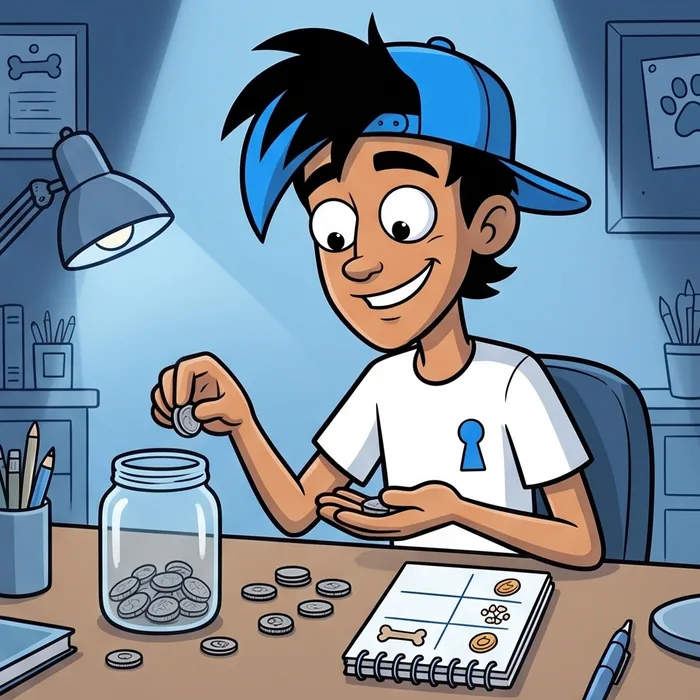
For learning, not financial advice.
Jake Finds the Vault — the short version.
What’s inside the vault, and how to get the most out of it.
The core idea
Most people who seem to have it together aren’t luckier than us. They use keys: simple, proven methods for the body, the mind, money and people. The vault collects those keys in one place, so we can learn them one at a time and actually use them.
The eight areas
Physical · strength, energy and style. Mental · aim your mind and stay calm when it counts. Discipline · beat hesitation and master your impulses. Purpose · a clean code to live by. Career · get so good the work speaks for you. Money · habits that quietly build wealth. Social · read people and move with a clean spine. Relationships · honest attraction and healthy standards.
How the vault works
Every key is short: a story or a summary, then one small thing to try today. You don’t need to open everything at once. Pick the door that pulls at you most, use one key, and come back tomorrow for the next.
It grows with you
New keys keep arriving. Your streak grows every day you come back, and your bank and your character grow with every mission you finish. Think of the vault as a place you visit, not a book you finish.
How you’ll use this key
Ask yourself: which area of my life would change everything if it got 10% better? Start there. Open one key this week and try it for real.
The Habit Key — the short version.
How habits really work, and how to make coming back a habit.
The core idea
Motivation comes and goes. Habits stay. The science of habits is simple: a cue starts the behavior, the behavior is easy enough to do, and a reward makes us want to repeat it. Build those pieces on purpose, and showing up gets easier every day.
1 · Start tiny
Make the first step so small we can’t say no: one key, five minutes, one page. Getting 1% better each day sounds like nothing, yet over a year it adds up to a completely different life.
2 · Same time, same place
Attach the new habit to something we already do every day. “After my first coffee, by the window, I open the vault.” The coffee becomes the cue, and the habit starts on its own.
3 · Make it easy
Remove the friction. Put what we need where we’ll see it, and put the distractions out of reach. The easier the habit, the more often it happens.
4 · Reward yourself right away
Our brain repeats what feels good now. A quick reward, like tapping Collect and watching the streak grow, tells it: this is worth doing again.
5 · Never miss twice
Missing one day is life. Missing two is the start of a new habit, the wrong one. No guilt, no quitting: just get right back on the next day.
6 · Become the kind of person who shows up
The deepest change is who we believe we are. Every time we show up, we cast a vote for that person. Swap “I’m trying to” for “I’m someone who does.”
How you’ll use this key
Pick your time: morning coffee, lunch break or before bed. Open the vault at that moment every day, tap Collect, and let your streak do the counting. If you miss a day, come back the next one.
Inspired by the science of habits
Raise Your Frequency — the short version.
The energy you carry shapes your day. Here is how to lift it on purpose.
The core idea
Your frequency is the energy you bring before you say a word: calm or tense, thankful or grumpy, present or half-here. No magic. It is how your body, your thoughts and your choices feel from the inside, and people pick it up fast.
Chapter 1 · Feelings first, things second
Most people think: once I have the money, the body or the win, then I’ll feel good. But new things only lift you for a moment when the inside stays the same. Start with the feeling: calm, thankful, proud of today. Wanting something is fine. Needing it badly makes you tense, and tension pushes good things away.
Chapter 2 · Check in, then lift
Do a quick body check: shoulders, jaw, breath. That is your data. When you notice a drop, interrupt it. Name one real thing you are thankful for, out loud if you can. Then take one small action that matches the person you want to be: a walk, ten push-ups, a kind message, a tidy desk.
Chapter 3 · Talk to yourself like a friend
You would never follow a coach who puts you down all day. Your inner voice is that coach. Speak to yourself with respect: short, honest and kind.
Chapter 4 · Keep small promises
Trust in yourself grows every time you do what you said you would do. Make the promise small enough to keep today, then keep it. Each one is proof that you can count on yourself.
Chapter 5 · Switch off the drains
Some feeds, habits and conversations leave you feeling smaller. Switch them off or give them a time limit, and spend more time with people and places that lift you up.
Chapter 6 · Stay steady, own it, share it
Hard moments will come. Take a breath and choose your response. Blaming others hands your power away. Good energy grows when you give it: a kind word, a helping hand, an honest compliment.
How you’ll use this key
Check in with your body in the morning, at midday and at night. Feeling low? Say one thing you are thankful for, then take one small action. Keep one promise to yourself every day.
Inspired by Jack Hopkins · High frequency
The Secret Key — the short version.
Ten simple ideas about how our thoughts and feelings shape the life we live.
The core idea
What we think about, and how we feel about it, shapes what we notice, what we do and what comes our way. Pick one clear dream, fill it with good feelings, and keep taking steps toward it.
Idea 1 · Like attracts like
Our thoughts work like a magnet. When we dwell on good things, we spot more good things and pull more of them in. When we dwell on what’s wrong, we find more of that. So it’s worth asking: what am I pulling in today?
Idea 2 · Thoughts become things
Everything we build starts as a thought: a meal, a song, a house, a business. Our thoughts turn into plans, plans into actions, and actions into real things. Choose the thoughts you want to grow.
Idea 3 · Focus on what you want
Put your attention on what you want, not on what you don’t want. Not “I hope I don’t fail,” but “I’m getting better every day.” Worries will float by. Let them pass, and bring your eyes back to your dream.
Idea 4 · Ask, believe, receive
Ask: know exactly what you want and say it clearly, once. Believe: trust it’s on its way, even before you can see how. Receive: stay open, notice the chances that show up, and say yes to them.
Idea 5 · Feelings are your guide
Your feelings tell you where your thoughts are heading. Feeling good means you’re on track. Feeling low is a gentle signal to pick a better thought: a memory you love, a song, something you’re thankful for.
Idea 6 · Visualize it as done
Close your eyes for a few minutes a day and picture your dream as if it’s already real. Add the details: the colours, the sounds, who’s with you. Most of all, feel how good it feels.
Idea 7 · Gratitude
Say thank you for what you already have, every day. Then say thank you for your dream too, as if it’s already here. Gratitude lifts your mood fast, and a good mood helps everything else work.
Idea 8 · Act as if
Live a little like the person who already has it. Make space for it, walk and talk like that version of you, and make choices they would make. Acting as if turns a wish into small daily steps.
Idea 9 · You’re the creator of your life
Nobody else holds the pen. Your thoughts, your feelings and your actions write the story, one day at a time. That’s not pressure. It’s freedom: you can start a new chapter today.
Idea 10 · Love yourself first
Don’t wait for the dream to feel worthy. Be kind to yourself right now, just as you are. When we treat ourselves with love, we expect good things, and we let them in.
How you’ll use this key
Pick one dream and write it down as if it’s already yours: “I have…”, “I am…”. Picture it for a few minutes each morning and feel it. Put a photo where you’ll see it every day and say thank you. Then take one small step toward it today.
Inspired by the law of attraction classics
Law of Attraction.
A short book on attraction — or one exercise: write what you want like you already have it.
Law of Attraction — the short book.
Everything here about attraction — how attention, feeling, and claim shape what grows in your life.
The core idea
What you feed with attention tends to grow in your life. Not magic theater — focus, feeling, and the story you keep telling yourself. Your mind pulls toward what it rehearses.
Chapter 1 · Attention is a magnet
Every day you aim your mind somewhere: money stress, a girl who left, the body you hate, the win you want. That aim is not neutral. It trains what you notice, what you expect, and what you walk toward.
Attraction starts before the result. It starts when you decide what deserves your stare.
Chapter 2 · Words seal the deal
“I want to be rich” keeps you chasing. “I am rich” / “I have the money” is a different posture. You write the end state as present fact so your language stops arguing with the vision.
Chapter 3 · Reps beat one-off hope
One night of wishing changes little. Daily short writes — already done, already yours — build a habit of direction. Save the rep. Come back tomorrow.
How you’ll use this key
One exercise. Write the things you want like you already have them. Present tense. Then walk like the claim is training, not a joke.
Choose your path.
A short book on intention — or one exercise: name the move you are locking in.
Law of Intention — the short book.
Everything here about intention — how a clear decision cuts fog and picks the next move.
The core idea
Intention is a decision with a direction. Not a mood. Not a wishlist. You name what you are doing — then you treat that sentence like a contract with yourself.
Chapter 1 · Fog is expensive
“I should get my life together” does nothing. “I will send the message before noon” does. The Law of Intention kills fog by forcing one clean sentence.
Chapter 2 · Specific beats dramatic
Big destiny talk feels strong and changes little. Small, timed, physical intentions change the day. Pick the next honest move you can prove.
Chapter 3 · Say it like it’s decided
Write in present or near-future certainty: “I am doing X.” / “I will do X by Y.” Your language stops arguing. Your body gets a job.
How you’ll use this key
One write. One intention for today. Clear enough that a stranger could check if you did it.
What is your intention?
One clear move. Specific. Something you can finish today. Write it like it’s decided.
Choose your path.
A short book on the 5-second rule — or jump straight into the move.
Five second rule — the short book.
Everything here about the five-second rule — the tiny window between knowing and moving.
The core idea
Between the moment you know what to do and the moment you move, there is a tiny window. Hesitation lives there. If you wait, your brain will talk you out of it — comfort, fear, “later.”
Chapter 1 · The freeze
You know the call you should make. The workout. The hard message. The door you should walk through. Then a thought arrives: not now. Your body stays put. That freeze is not wisdom — it’s the old pattern protecting itself.
Chapter 2 · The countdown
The move is simple: the second you feel the impulse to act, count 5-4-3-2-1 out loud or in your head — then move before the story starts. The count is a launch code. It interrupts the spiral and puts your body in charge.
Chapter 3 · Move small, move now
You don’t need the whole plan. You need the first physical move: stand up, open the app, put on shoes, hit send. Momentum beats motivation. The count gets you to that first inch.
Chapter 4 · Reps build a new reflex
Use it on small stalls all day. Door. Phone. Hard talk. Each rep teaches your nervous system: hesitation is not the boss. Save the rep. Come back tomorrow.
How you’ll use this key
Name the stall — what you’re avoiding.
Then: what are you going to do about it?
Finish — then 5-4-3-2-1 starts.
When it hits GO, you move.
What are you avoiding right now?
One thing. The call, the workout, the message, the door.
What are you going to do about it?
One clear move. Small is fine — as long as it’s real.
Move before the story.
You named it. You chose the move. Now count and go.
Choose your path.
A short book on the seven deadly sins — or jump straight into naming what’s running you.
Seven deadly sins — the short book.
Not a sermon. A map of the patterns that pull you off course — so you can catch them early and move cleaner.
The core idea
The seven deadly sins are old names for human loops: pride, greed, lust, envy, gluttony, wrath, and sloth. They aren’t proof you’re broken. They’re signals. Each one points to a need that got twisted — respect, security, connection, rest, power, pleasure.
Chapter 1 · Why these seven still matter
Modern life still runs on the same engines. Scrolling envy. Quiet pride that won’t ask for help. Wrath that texts too fast. Sloth that hides as “I’ll start Monday.” When you can name the loop, you stop being owned by it.
Chapter 2 · Under every sin is a need
Envy often wants belonging or proof you matter. Wrath often wants safety or respect. Lust can want closeness, not just a body. Sloth can want rest from a life that feels pointless. The sin is the costume. The need is the truth.
Chapter 3 · Clean moves beat self-hate
Beating yourself up feeds the loop. A clean move feeds the real need without the old damage: one honest conversation, one boundary, one workout, one ask, one hour offline. Small. Specific. Today.
Chapter 4 · Reps make you harder to fool
You won’t delete envy forever. You’ll get faster at spotting it. Save the rep. Come back tomorrow. That’s how character is built — not by pretending you’re pure, but by practicing awareness.
How you’ll use this key
1 · Pick which sin is loud right now.
2 · Write what you should be doing instead — the opposite of the old pattern.
Catch it. Clean it.
Pick the sin. Write what you should be doing instead.
Which one is loud right now?
Pick the pattern that’s running you today. No shame — just accuracy.
What should you be doing instead?
Write the opposite of the old pattern. One clear move that replaces it.
Machiavelli — the short book.
Power with a clean spine. Read this. Lead yourself first — then move in the world with clear eyes.
The core idea
Machiavelli wasn’t teaching you to be cruel. He was teaching you to see clearly: how people move, how fear and respect work, and how a man who won’t lead himself gets led by everyone else. Strategy starts at home — your word, your posture, your next move.
Chapter 1 · Reality over fantasy
Wishful thinking loses. Clear eyes win. Look at what is happening — not what you hope people meant. Name the real incentives. Then choose your move without drama.
Chapter 2 · Lead yourself first
Before you chase respect outside, earn it inside. Keep promises to yourself. Protect your time. Stand where you said you’d stand. A man who can’t govern his morning can’t govern anyone else.
Chapter 3 · Respect beats begging
People follow strength that is calm and consistent — not loud, not desperate. Speak less. Deliver more. Don’t trade your spine for approval. Build a reputation that does half the talking.
Chapter 4 · Fortune favors the prepared
Luck matters. Preparation matters more. Stack small advantages: skills, allies, cash buffer, a clear plan for the next hard day. When the window opens, you move because you already built the legs for it.
How you’ll use this key
Reread when you feel foggy, soft, or played. Then go make one decisive move that matches the man you’re becoming.
Choose your path.
A short book on the four agreements — or answer the walls question.
Agreements — the short book.
Everything here about the four agreements — a code for less drama and a cleaner mind.
The core idea
You live by agreements — with yourself and with the world. Some free you. Some cage you. These four are a code for less noise and more power.
1 · Be impeccable with your word
Say what you mean. Don’t use words to poison yourself or other people. Gossip, self-hate talk, empty promises — they all leak power. Your word builds your world.
2 · Don’t take anything personally
What people say and do is about them — their fear, their story, their mood. When you stop swallowing every jab, you stop living in other people’s storms.
3 · Don’t make assumptions
Ask. Clarify. Guessing writes fiction and then you fight the fiction. Clear questions beat silent stories.
4 · Always do your best
Your best changes with sleep, stress, and season. Do that day’s best — not yesterday’s fantasy. That’s how guilt dies and progress stays.
How you’ll use this key
Read the four. Then answer: what walls do you want to break in your life?
What walls do you want to break in your life?
Fear, silence, old habits, people-pleasing, the story that you’re stuck — name the walls. Writing them is the first crack.
Stoics — the short book.
Ancient steel for a modern life. Read it. Put your energy where it still moves the needle.
The core idea
Stoicism is not numbness. It’s clarity. Some things are yours: judgment, effort, honesty, the next move. Some things aren’t: other people’s moods, the past, the weather, luck. Freedom starts when you stop bleeding energy into the second list.
Chapter 1 · The split
Every stress has two piles. In your control. Out of your control. Confusion mixes them. Strength separates them. Ask: “Is this mine to change today?” If yes — move. If no — stop rehearsing it.
Chapter 2 · Character is the real win
Results swing. Reputation swings. Your standard doesn’t have to. Show up on time. Keep your word. Do the hard thing without a speech. That is Stoic confidence — quiet, repeatable, yours.
Chapter 3 · Obstacle as training
The delay, the rejection, the awkward talk — not proof you’re cursed. Fuel. Use friction to practice calm, courage, and craft. The obstacle isn’t in the way. It is the way you get sharper.
Chapter 4 · Present tense action
Yesterday is closed. Tomorrow is a guess. Today is the only door you can walk through. One clear act beats a night of mental theater.
Drama Triangle — the short book.
Three roles. Endless loops. Read this so you can step out of the play.
The core idea
Stephen Karpman’s Drama Triangle names three roles people slide into when conflict gets sticky: Victim, Rescuer, and Persecutor. Nobody stays in one forever. You rotate. The triangle feels alive because every role needs the other two to stay interesting — and stuck.
Chapter 1 · The Victim
“This always happens to me.” Power feels gone. Help looks like the only door. The cost: you outsource your agency. The gift under it: you want relief and care — just not as a permanent identity.
Chapter 2 · The Rescuer
“Let me fix it for you.” Help becomes control. You stay useful so you stay needed. The cost: resentment, burnout, and people who never grow. The gift under it: real care — when it includes boundaries and their own strength.
Chapter 3 · The Persecutor
“It’s your fault.” Blame, edge, superiority. It can look like strength. It’s often fear in armor. The cost: connection dies. The gift under it: standards and truth — without the attack.
Chapter 4 · How the loop spins
Victim invites Rescuer. Rescuer gets tired and turns Persecutor. Persecutor creates a new Victim. Or Victim flips and attacks. Same three chairs. New night. Same play.
Chapter 5 · The exit
The way out is the Empowerment Triangle. Victim → Creator: “What can I choose next?” Rescuer → Coach: “What do you want to try?” Persecutor → Challenger: “Here’s the standard — I trust you with it.” Same heat. Cleaner power.
How you’ll use this key
When a fight, a text thread, or a spiral feels sticky, name the chair you’re in. Then take one step toward Creator, Coach, or Challenger. Read this again when you catch yourself auditioning for a role.
Craft — the short book.
Nobody hands us a great career. We build it, one skill at a time. Let’s get so good that people can’t look past us.
The core idea
Inspired by Cal Newport’s So Good They Can’t Ignore You: “follow your passion” sounds great, but it rarely works as a plan. Most people who love their work didn’t start with the passion. They got good first, and the love grew out of the mastery, the respect and the freedom that came with it. The good news? Getting good is something we can start today.
Chapter 1 · Skill beats passion
Stop asking “what does the world owe me?” and start asking “what can I offer?” That’s the craftsman’s mindset. It takes the pressure off finding the perfect job and puts our energy where it pays: becoming really, really good at something useful. What’s one skill in your work right now that, if you mastered it, would change everything?
Chapter 2 · Practice where it stretches
Doing the same thing for ten years isn’t ten years of growth. It’s one year, ten times. Real progress comes from deliberate practice: working right at the edge of what we can do, getting honest feedback, and fixing what’s weak. It feels uncomfortable. That discomfort is the signal we’re growing.
Chapter 3 · Build career capital
Every rare and valuable skill we earn is capital. We can trade it later for the things we actually want: better pay, more say over our time, work that matters. The more we stack, the more options open up. Think of every hard hour as a deposit into that account.
Chapter 4 · Own your results
No excuses, no blaming the boss, the market or the team. When something goes wrong, we ask “what could I have done better?” When it goes right, we share the credit. People trust a man who owns his results, and trust is what gets us handed the bigger things.
Chapter 5 · Ask for more responsibility
Don’t wait to be picked. Once we’re solid at our current work, we raise our hand for the harder project, the messy problem, the client nobody wants. Responsibility is the fastest teacher there is. What’s one thing you could volunteer for this month?
Chapter 6 · Let your reputation do the talking
Reputation is built quietly: showing up on time, doing what we said, delivering quality even when nobody checks. Over time people start saying our name when an opportunity comes up. That’s the goal. Not louder. Better.
Chapter 7 · Lead before you have the title
Leadership isn’t a job title, it’s a way of acting. Help the new guy. Bring solutions, not just problems. Stay calm when things get tense. Lift the standard of the people around you. Act like a leader long enough and the title usually catches up.
How you’ll use this key
Pick your one skill. Book three focused sessions this week where you work at the edge of it. Then do one thing that shows ownership: take on a task, fix a problem, help someone level up. Come back here whenever you catch yourself waiting for passion to show up first.
Choose your job.
Start a 30-minute shift, come back and collect your pay. Finish a job and the next one on the ladder opens.
Shifts and rounds keep running when you close the app. Your daily streak decides the best job you can reach. From a 7-day streak a side hustle runs in 15-minute rounds next to your main job.
Money — the short book.
Money is less about math and more about how we behave. Let’s build the kind of habits that quietly add up.
The core idea
Inspired by Morgan Housel’s The Psychology of Money: wealth is mostly built by ordinary behavior repeated for a long time. Not genius. Not luck. Calm, patient choices. The good news? Behavior is something we can train, starting today.
Chapter 1 · Pay yourself first
Before rent, before takeout, before anything else — a slice goes to future us. Even a small amount. Let’s walk it through: what would it feel like to set that transfer to run automatically the day money comes in? That one move turns saving from a decision into a habit.
Chapter 2 · Enough is a superpower
More always looks good from the outside. But when we know what “enough” looks like for us, we stop chasing someone else’s scoreboard. Ask yourself: what do we actually want money to buy? For most of us, the answer is time, freedom, and calm.
Chapter 3 · Let time do the heavy lifting
Compounding is slow, then sudden. The man who saves steadily for twenty years usually beats the man chasing a big win. Staying in the game matters more than any single move. No shortcuts here — and that’s exactly why it works.
Chapter 4 · Skills over shortcuts
Our biggest asset is what we can do. Every skill we sharpen — selling, writing, building, leading — raises what our hour is worth. Which skill, if we got 10% better at it this year, would pay us back the most?
Chapter 5 · Create value first
Money follows usefulness. Solve a real problem, help real people, do it well and reliably — and income has a reason to show up. Think builder, not gambler.
How you’ll use this key
Pick one move this week: set up an automatic transfer, write down your “enough,” or choose the one skill to grow. Come back here whenever a shiny shortcut starts to look tempting.
Girls — the short book.
No lines, no games. Just becoming a man who is good to be around — honest, grounded, and going somewhere.
The core idea
Inspired by Mark Manson’s Models: attraction isn’t about tactics. It grows when we live a life we’re proud of and show up as ourselves. The goal isn’t to convince anyone. It’s to be real — and let the right people find that attractive.
Chapter 1 · Build a life you love
Purpose, friends, training, work that matters to us. A man with his own direction brings energy wherever he goes. So let’s ask: what are we building right now that we’d be excited to talk about?
Chapter 2 · Honesty is attractive
Say what we mean. Show interest openly. If we like her, we can let her know — kindly and clearly. Honest intentions feel safe and confident at the same time.
Chapter 3 · Non-neediness
Our worth isn’t decided by one reply, one date, or one yes. When we’re okay either way, we can relax, be curious, and enjoy the moment. Her “no” is information, not a verdict on who we are.
Chapter 4 · Courage to be seen
Vulnerability is strength. Walking up to say hello, sharing what we really think, admitting we’re a bit nervous — that takes guts, and people feel it. Imagine the moment: we say hi, we smile, we mean it. That’s it. That’s the whole move.
Chapter 5 · Respect, always
Women are people with their own lives, choices, and boundaries — not a target or a prize. We listen. We respect her answer. We treat her the way we’d want someone to treat our sister. Respect is the foundation everything good is built on.
How you’ll use this key
This week, invest in one thing that makes our own life better, and practice one honest conversation. Come back here whenever it starts to feel like we need to perform instead of just being ourselves.
Build your mission.
How you would look. What you are avoiding — and what you will do about it. Write down 3 goals. Then your statement shows under start — change it anytime.
How would you look?
The best version of you. How would you look?
What are you avoiding?
Name one thing — then write what you are going to do about it.
Write down 3 goals.
Three clear goals.
Your mission — together.
This is everything you answered, assembled into one statement. Come back and sharpen any question anytime.
Your reps.
Every lesson feeds your reps. At the end of the day, open Today’s mission.
Law of Attraction


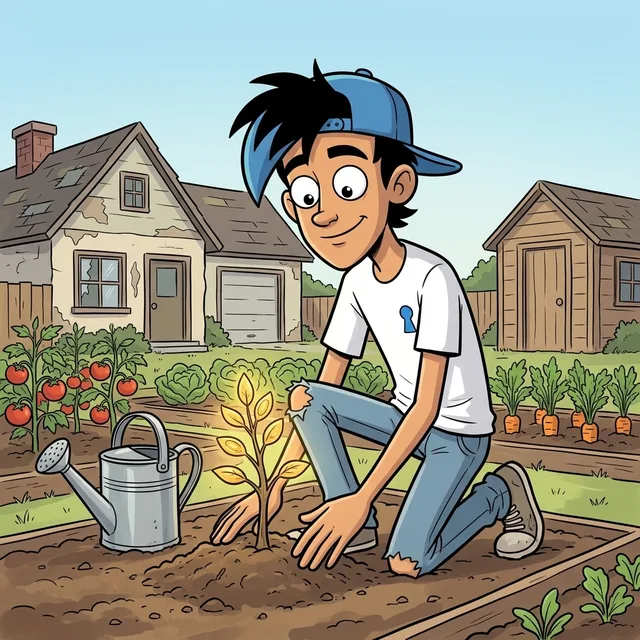
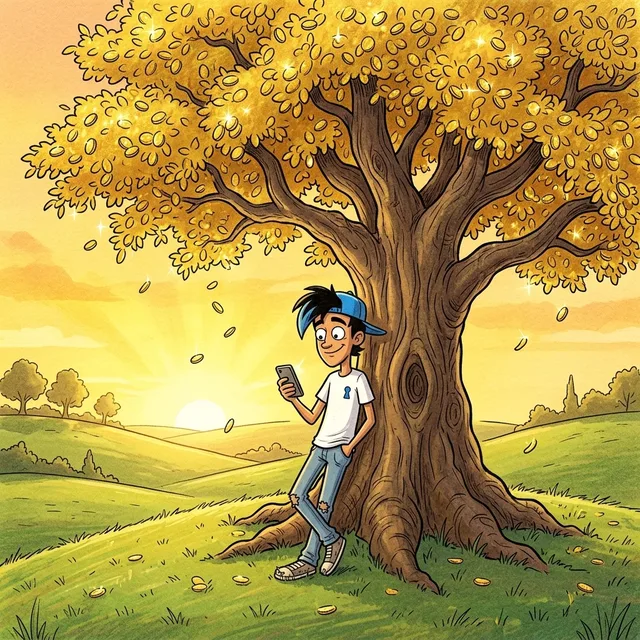
Tap the picture for the next panel
Missions
Finish a mission to open the next one. Every mission unlocks a key.
Your keys.
Every mission unlocks a key: a method you can use in real life. Tap a gold key to read it again, anytime.
Jake’s photos.
Every look Jake unlocks lands here.
Spend it, grow it.
In-game money only. Treat yourself to rides, homes, extras and dreams.
Prices move a little every day. Fictional companies, in-game money.
Bought once, yours to keep. Sell back anytime for 80% of the price.
Big dreams unlock as your level goes up. Bought once, yours to keep. Sell back anytime for 80% of the price.
Your garage.
Every car Jake owns parks here.
Everything you own.
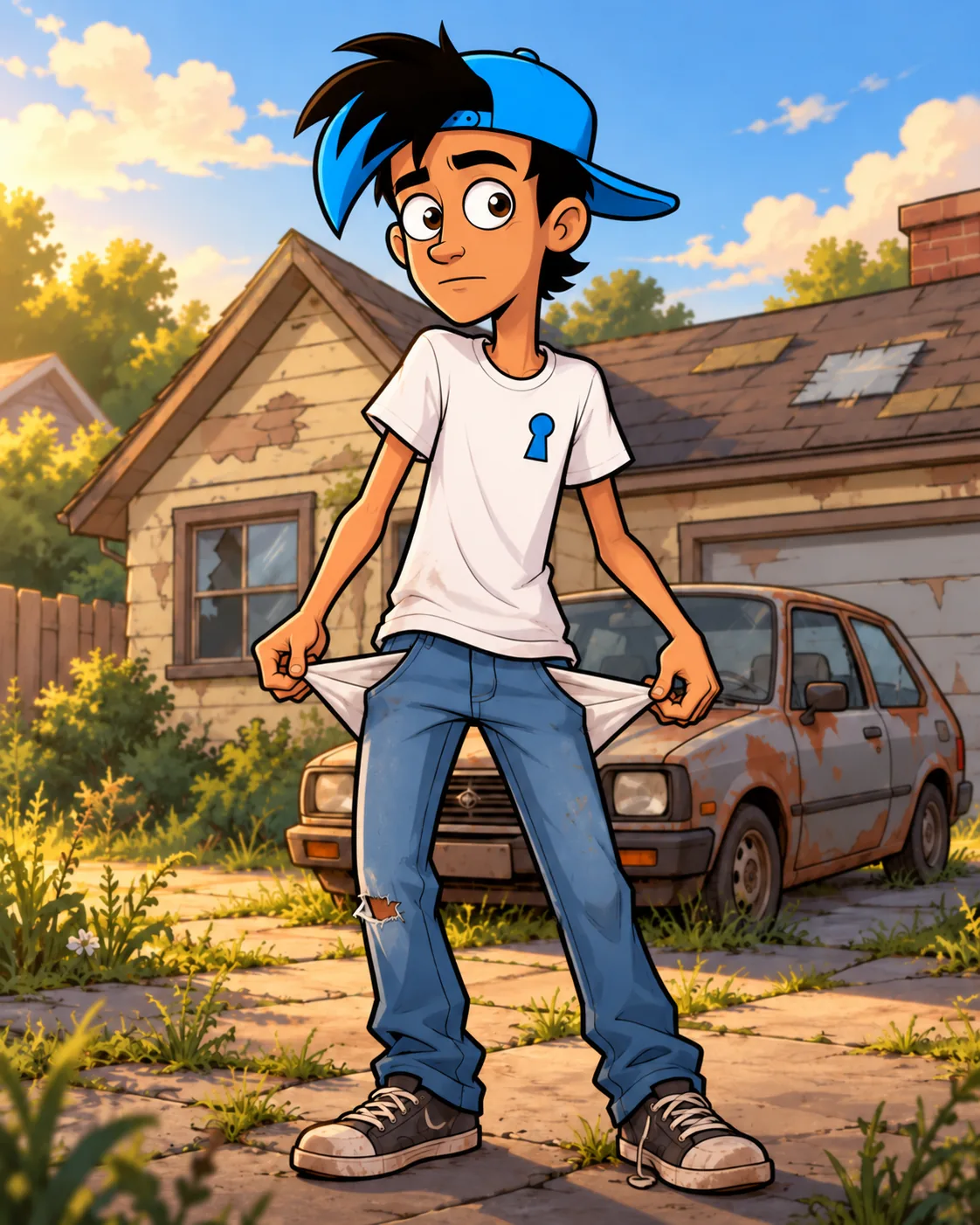
Nothing here yet. That’s where every story starts.
Finish missions, work shifts and grab your daily bonus, and your bank grows. Start small with fresh sneakers, or buy your first shares and watch them grow.
Assets are worth 80% of what you paid once you own them. Stocks move with the market.
Buy it?
Your journey
Levels go up with the money you earn in total. Spending never lowers your level. Some levels also need a mission first.
3 days in a row. That’s how it’s done.
With € 10,000 to start with. Boss Jake: “Smart move. Now go build it.”
The good life, with your people.
A month of showing up. This is what it builds. Enjoy it, you earned it.
Flow: Pick an area of life, open a key, do the rep. Collect daily to grow your streak.